
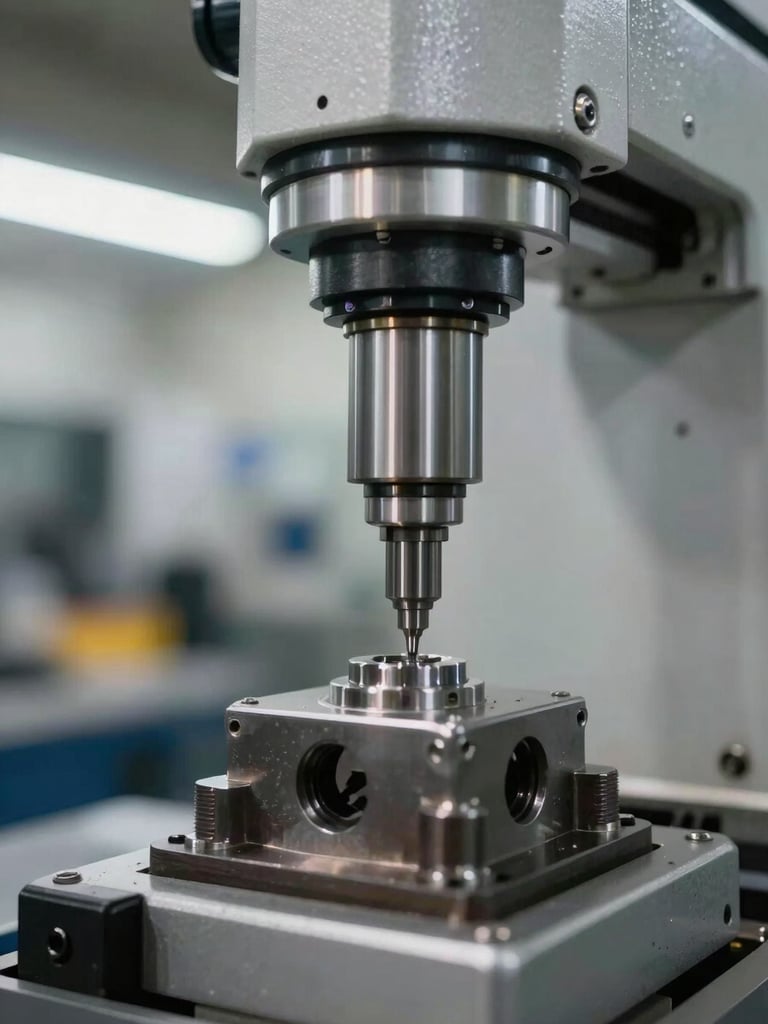
Scoped from your constraints. Built to no other brief.
Cycle time, footprint, feed rate, reject logic—your process parameters define the machine. We do not start from an existing platform and remove what you don't need.
Constraint-driven design, agreed in writing
No scope creep, no retrofitting. Every SPM begins with a documented requirement review before a single part is cut.
Your process defines the spec
Build timeline, fixed in writing
No platform bloat, no workarounds
Cycle time targets, floor footprint, feed mechanism, and reject logic are captured in writing before design begins. The machine fits your line—not the other way.
Delivery milestones and pass/fail acceptance criteria are agreed before fabrication starts. We measure our output against your requirement, not our internal schedule.
Every build is commissioned for a single defined function. There are no legacy features from a prior customer's spec. The machine does exactly what the brief requires.
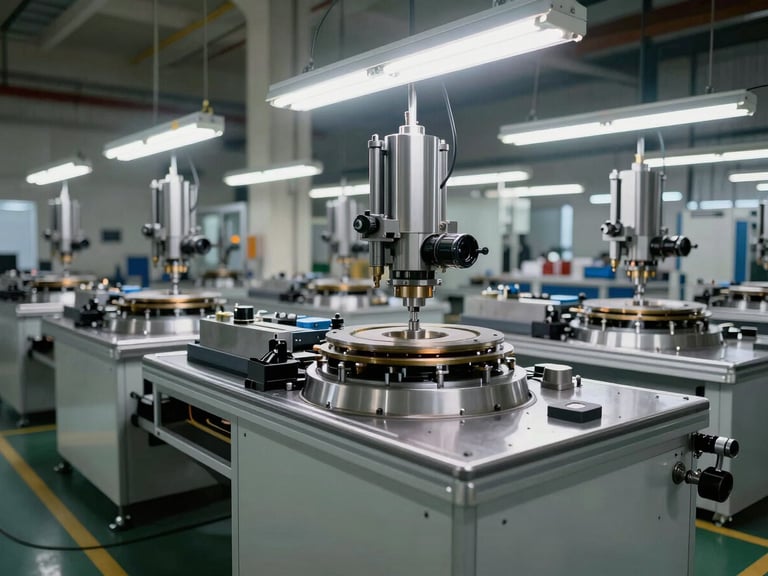
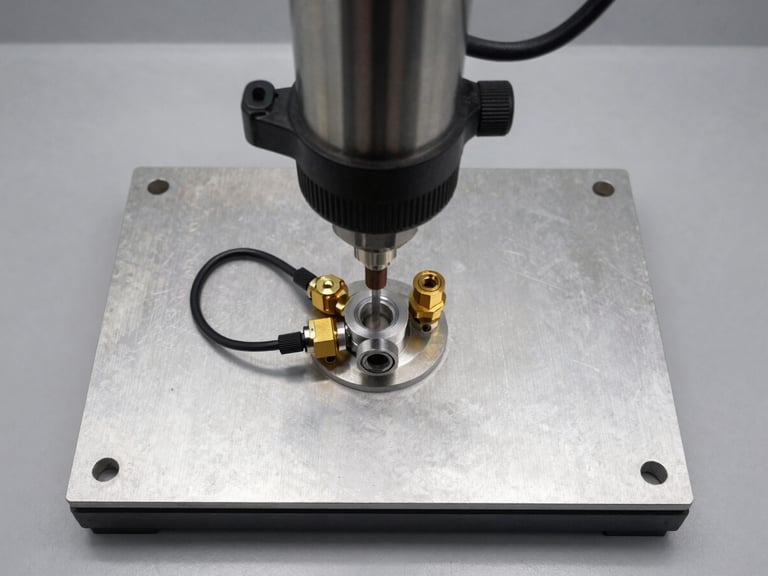
What was built. What it eliminated.
Manual multi-station assembly replaced
Constraint: six sequential operations, 14-second cycle time, 800 mm floor envelope. A four-station rotary index machine was scoped, built, and accepted against those exact parameters.
Measured result: cycle time 11.8 seconds, zero-defect rate at station-level acceptance, line throughput up 34% against the prior manual cell.
Combined press and validation in one station
Constraint: press-fit force window ±0.3 kN, integrated air-decay leak test within the same cycle, 10-second total dwell. No off-the-shelf press-and-test machine met that force tolerance.
Measured result: force repeatability within ±0.18 kN across 50,000 cycles, leak-test false-reject rate below 0.1%.
Send us the process brief. We scope from there.
Describe the operation, the cycle time requirement, the floor envelope, and what your current setup cannot achieve. We will confirm whether it is within scope within two working days.